
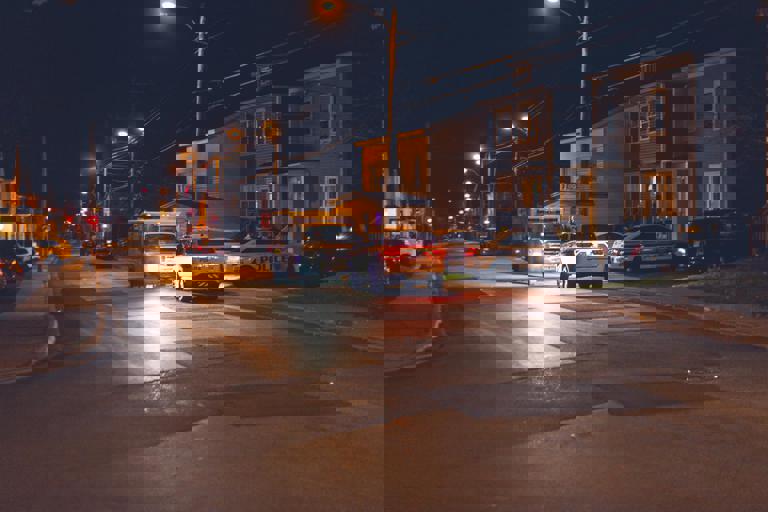
Hundreds of residents across multiple suburbs awoke in alarm early this morning when mysterious sirens blared unexpectedly, shattering the usual nighttime calm. The loud, wailing sounds started shortly after midnight, echoing across neighbourhoods and sending many into a state of confusion. Social media platforms were quickly filled with posts describing the disturbance, with many users asking if anyone had information about the sudden blast and whether it was a cause for concern.
As the sirens continued intermittently for over an hour, speculation mounted among the public. Some feared it signalled an emergency, such as a fire, flood, or even a security threat. With no immediate official explanation forthcoming, families gathered outside to discuss what might be happening, reinforcing the pervasive sense of uncertainty. Several residents reported attempting to call emergency services for clarification, only to find lines temporarily congested due to the surge in inquiries.
One local mother, Karen Bishop, recounted the distress her family experienced. 'It jolted us awake – my children were terrified,' she said. "We just stood there, wondering if we should be evacuating. No one knew what was going on." Elderly residents were particularly startled, with neighbours knocking on each other's doors to check in and offer support. The disturbance prompted many to assess their emergency kits and review safety plans, just in case.
Within hours, both police and local councils were inundated with calls. Authorities responded by releasing statements early in the morning, confirming the sirens were not related to any public safety threat. Instead, officials revealed that the incident originated from a technical malfunction in the regional warning system—a network intended for use during rare disasters such as bushfires or chemical leaks. Technicians were dispatched promptly to address the fault.
Upon investigation, the malfunction was traced to a faulty relay in the automated alert system, according to a spokesperson for the emergency management service. "A localized software glitch caused a test signal to be sent at the wrong time, triggering sirens that were otherwise inactive," the spokesperson explained. Maintenance teams have since deactivated the affected relays to prevent a recurrence, and a full review of the system is now underway.
Community response has ranged from irate to understanding. Some residents, like local teacher Martin Hughes, expressed frustration, saying, "While I'm relieved there was no emergency, the lack of immediate communication was unnerving." Others acknowledged the complexity of maintaining such systems and hoped the scare would prompt improvements. Pet owners reported that animals were also frightened by the sudden noise, with many dogs barking incessantly throughout the night.
In the aftermath, municipal authorities have pledged to upgrade notification protocols. Mayor Linda Franklin issued a statement acknowledging the disruption and apologizing to those affected. She promised, "We will ensure that if a similar malfunction should ever occur, rapid alerts through text messages and radio will accompany sirens, so people know it's not a real emergency." Her comments aimed to reassure the shaken community and restore confidence.
Experts note that such technical failures, although rare, highlight the delicate balance between maintaining reliable public alert systems and avoiding undue distress among citizens. Dr. Samuel Reed, a researcher in emergency management, stated, "Early warning networks are critical tools, but they must have robust fail-safes and transparent communication channels." Reed emphasized the importance of regular system checks and community education on how to interpret different alerts.
Despite the confusion, some community members are treating the incident as a wake-up call to revisit their preparedness plans. Local hardware stores reported a slight uptick in sales of torches, batteries, and first aid kits since the event. Safety campaigners are encouraging families to use this experience as an opportunity to discuss emergency procedures and familiarize themselves with neighbourhood resources, ensuring everyone knows what to do in a true crisis.
As investigations into the malfunction continue, officials are reassuring residents that steps are being taken to prevent future occurrences. They have invited the public to participate in upcoming forums on community safety and are soliciting feedback about how the night’s events were handled. The incident, while unsettling, has underscored the necessity of vigilance, clear communication, and community cohesion in the face of unexpected disruptions.