
Commuters experienced an unusual setback this morning when a flock of nesting parrots, discovered deep within a subway tunnel, disrupted train services in the city’s downtown area. The unexpected arrival of these vibrant birds prompted transport authorities to halt several train lines as safety concerns mounted. Passengers were left waiting on crowded platforms while officials assessed the best approach to handle the feathery intruders without causing further delays or harm to the animals.
The incident began early in the morning commute, just after 7 a.m., when train conductors reported sightings of brightly colored birds fluttering near the tunnel lighting fixtures. Upon further inspection, maintenance crews confirmed the presence of several nests tucked along ledges above the tracks. It quickly became clear that the birds, believed to be a group of native rainbow lorikeets, had made themselves surprisingly at home underground.
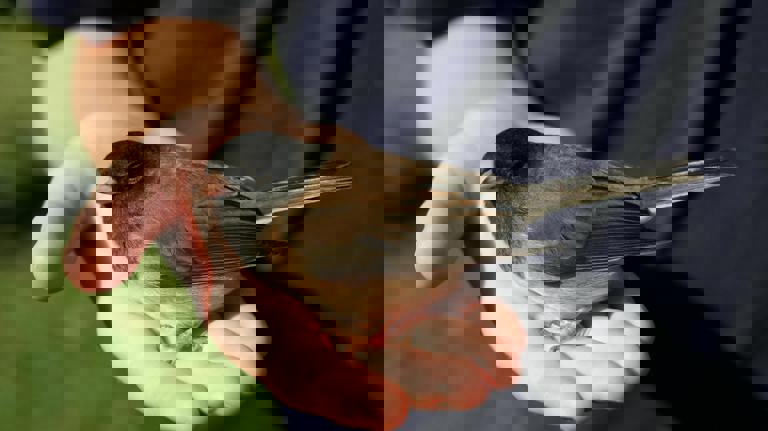
Firefighters, skilled in technical rescues, and wildlife rescuers from a local animal protection group teamed up for the delicate mission. Wearing headlamps and protective gloves, the crew worked in tandem to gently collect the birds and their chicks, ensuring minimal disturbance. According to Fire Chief Kevin Muldoon, "Our priority was to safeguard both the parrots and the public. We took every precaution to avoid injuring the birds or causing a hazard for train operations."
The process of removing the parrots took nearly two hours, as responding teams navigated the cramped and dimly lit tunnel environment. Wildlife volunteers used soft nets and carry cases to transport the birds. By midday, more than a dozen adult parrots and several chicks had been safely relocated above ground. The effort drew applause from bystanders who watched events unfold near the subway entrance, relieved by the caring response.
The disruption impacted thousands of daily commuters, many of whom expressed both frustration over the delays and sympathy for the displaced wildlife. "It’s not every day your train is late because of parrots," remarked commuter Lisa Tran. "I’m glad they handled it humanely, but I hope these birds find a better place to nest next time." Transit authorities worked quickly to arrange shuttle buses, easing the inconvenience as services gradually resumed.
The presence of nesting parrots in such an unexpected place has raised questions about urban wildlife adaptation. Dr. Andrew Forbes, an urban ecologist, explained, "Birds like rainbow lorikeets are highly adaptable and seek safe, sheltered spots for nesting. The warm lighting and protected ledges in the subway tunnels might have mimicked natural crevices, making them attractive to these resourceful animals."
In the aftermath, animal welfare groups are advocating for improved measures to prevent similar incidents. Suggestions include more regular tunnel inspections during nesting seasons and possible adjustments to tunnel lighting to deter birds from establishing nests. The transit authority has stated it will review its maintenance protocols to better monitor and deter wildlife from inhabiting operational zones in the future.
While rare, experts point out that wildlife incursions into urban infrastructure are becoming more common as natural habitats shrink. According to the local branch of BirdLife Australia, reported sightings of native parrots in unexpected corners of the city have doubled over the past five years. This highlights growing challenges for both wildlife conservationists and city planners to find ways for people and animals to coexist.
After their removal, the parrots were checked by veterinarians and released into a nearby park, away from heavy traffic and human commotion. Wildlife carer Maria Jenkins stated, "We made sure the parrots were healthy and reunited as a flock before release. Our hope is they settle in a safer, more natural environment where future nesting won’t result in such an urban spectacle." The incident closed with relief and gratitude, as both birds and people returned to normal routines.
This morning’s colourful commotion has prompted city officials to consider public education campaigns on protecting urban biodiversity. As cities continue to grow, such surprises serve as reminders of the intricate connections between urban life and native fauna. For now, commuters and local wildlife advocates alike hope that the only flocks seen near subway tunnels in the future are those painted on the walls, not nesting on the pipes above the tracks.